
Mongolia Strengthens Scientific and Legal Capacity to Protect Khuvsgul Lake
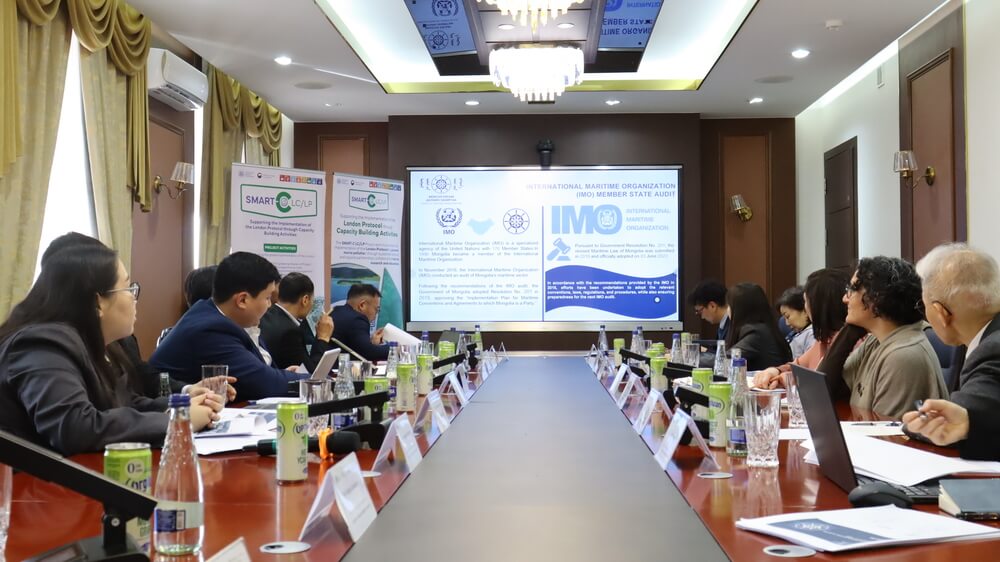
The SMART-C LC/LP Training Workshop, held in Ulaanbaatar from 18 to 22 May 2026, marked a significant step in strengthening Mongolia’s technical and legal capacity to protect Khuvsgul Lake. Delivered by international and national consultants in collaboration with the International Maritime Organization (IMO) and the Mongolian Maritime Administration (MMA), the workshop combined training, discussion and institutional engagement to support Mongolia’s efforts to apply the London Protocol framework to its inland waters.
The aim of the workshop was to enhance Mongolia’s ability to implement and ultimately accede to the London Protocol, while the central objective focused on delivering three days of in-depth, interactive training on scientific and legal aspects of its implementation. Building on a needs assessment completed in February 2026 and a road-mapping workshop held in March, the training was tailored to Mongolia’s specific environmental, legal and institutional context.
The first day concentrated on technical training. Participants explored environmental pressures affecting Mongolian inland waters, including rising lake levels and nutrient dynamics, as well as the significant data gaps limiting effective management. Discussions throughout the day encouraged participants to consider how scientific evidence informs regulatory decisions and highlighted the importance of distinguishing between scientific findings and policy choices.
On day two, training continued with a focus on environmental benchmarks, scientific methods and monitoring technologies. Participants examined tools such as sonar systems and unmanned survey platforms for collecting bathymetric and environmental data. Discussions emphasized the need for improved baseline data and explored the practicalities of developing national standards. The afternoon shifted to legal topics, including regulatory responsibilities, reporting requirements and gaps in Mongolia’s legislative framework. Issues such as unclear institutional responsibility for ice road management and the potential burden of reporting obligations were also addressed.
Day three concluded the legal training and provided an opportunity to review proposed amendments to Mongolia’s Maritime Law and Waterway Transport Law. Discussions highlighted the importance of aligning environmental policies across agencies, strengthening the polluter pays principle and establishing sustainable funding mechanisms for environmental protection. Participants also stressed the urgency of clarifying institutional roles, particularly for ice road safety.
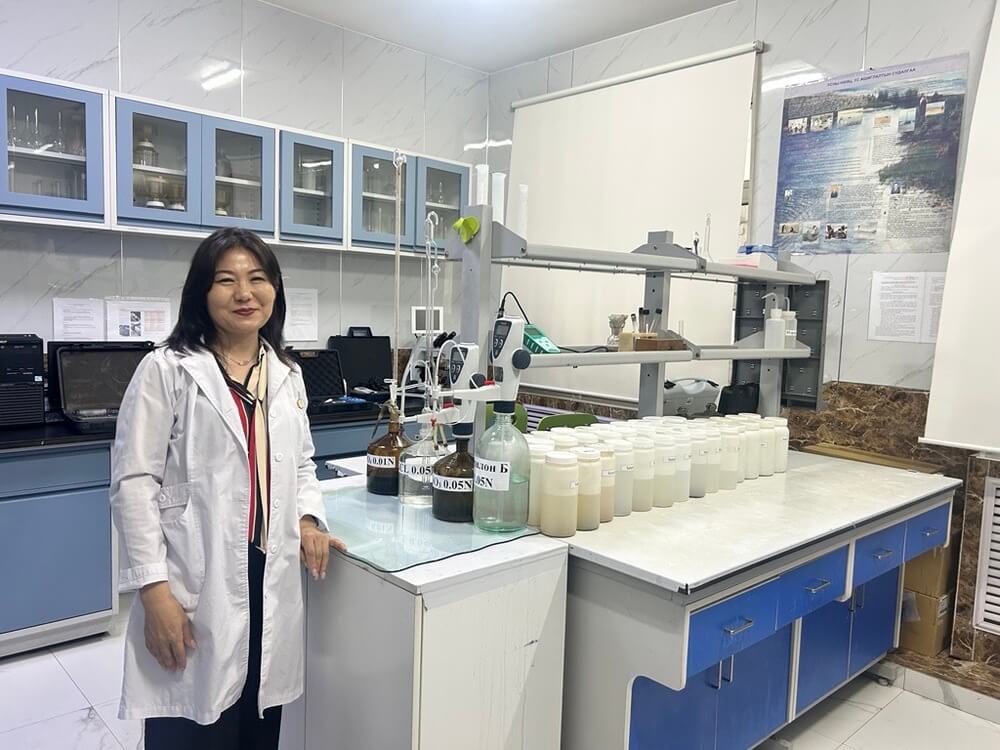
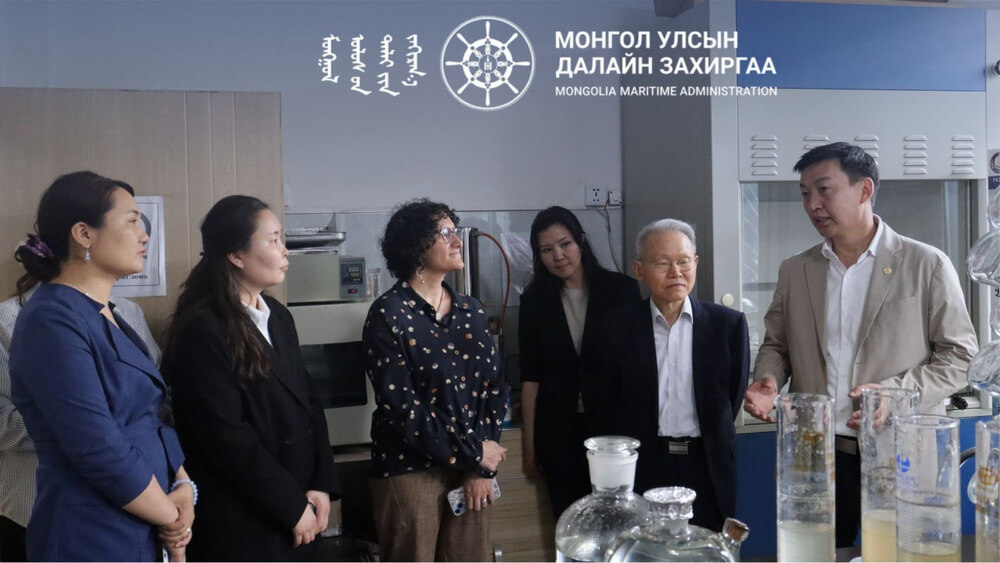
The final two days focused on institutional visits. At the Mongolian Institute of Geography and Geoecology (IGG), participants reviewed existing laboratory capabilities and identified key data gaps, including water sources, sediment dynamics, biodiversity and lakebed mapping. A visit to the Central Environmental Laboratory confirmed additional analytical capacity but also limited data availability for Khuvsgul Lake.
The workshop delivered clear outcomes, notably improved understanding among participants of how to engage with scientific data and apply it in regulatory contexts. As one participant noted:
“We now have the understanding we need to work with and understand our scientists, and to read previous field studies and even to determine what they did right or wrong!”