

SMART-C LC/LP Workshop Sets Priorities for Protecting Khuvsgul Lake
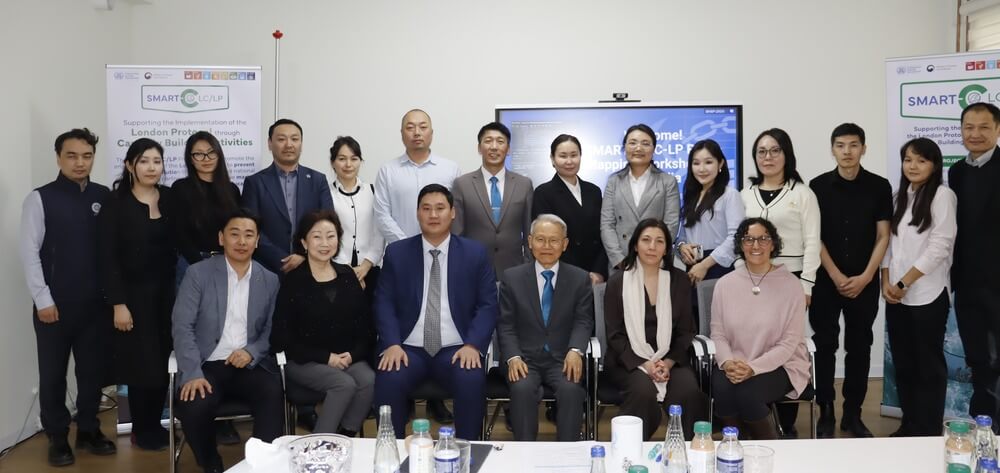
The SMART-C LC/LP Project Road-mapping Workshop, held in Mongolia from 16 to 21 March 2026, marked an important step in shaping support for the country’s efforts to protect Khuvsgul Lake and strengthen its ability to implement the London Protocol. Bringing together the International Maritime Organization (IMO), the Mongolian Maritime Administration (MMA), national scientific institutions and project consultants, the workshop combined training, field observation and collaborative planning. It provided a practical opportunity to identify Mongolia’s main environmental priorities, review current capacity and agree early actions under the project.
The 1996 London Protocol forms the international framework for preventing marine pollution caused by dumping wastes and other matter at sea. The Protocol modernized and strengthened the 1972 London Convention and is intended to eventually replace it. However, implementation can be challenging for countries with limited scientific, technical, legal and administrative capacity. The SMART-C Programme, funded by the Republic of Korea, was established to support long-term maritime capacity-building in developing countries. Within that programme, the SMART-C LC/LP Project supports implementation of the London Protocol through education and collaborative research, including a case study in Mongolia using the London Protocol framework to protect Khuvsgul Lake.
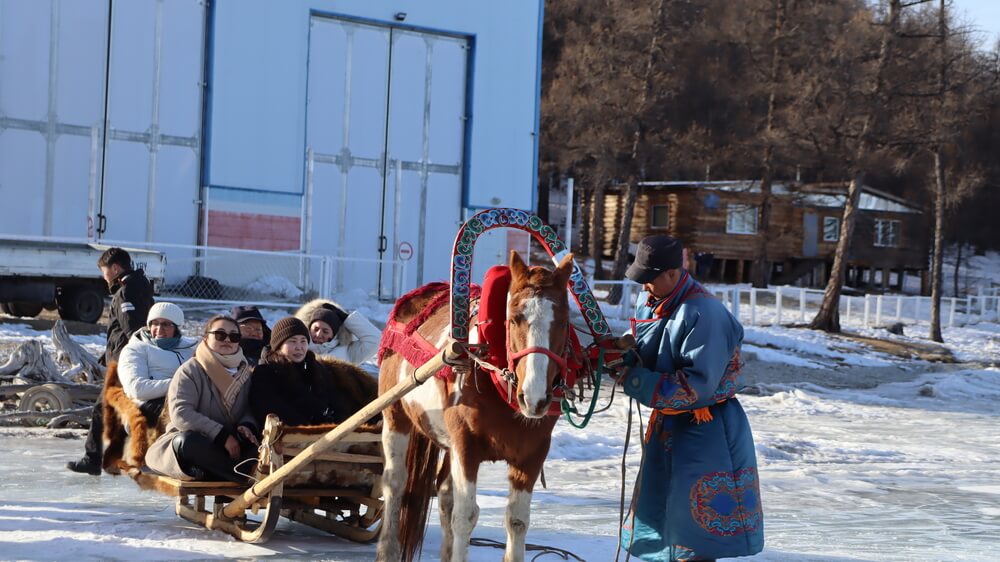
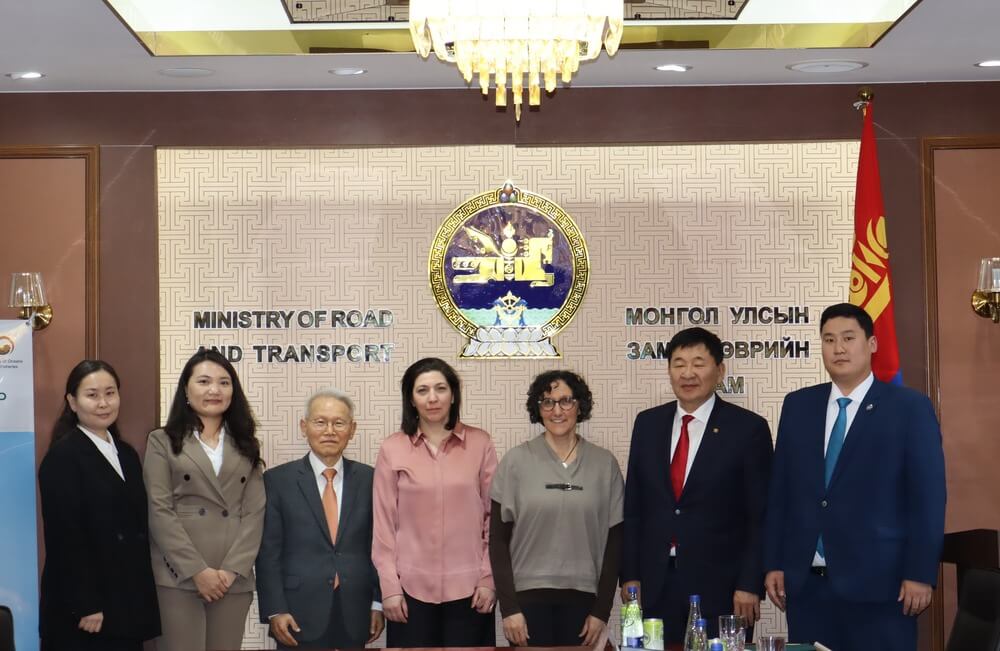
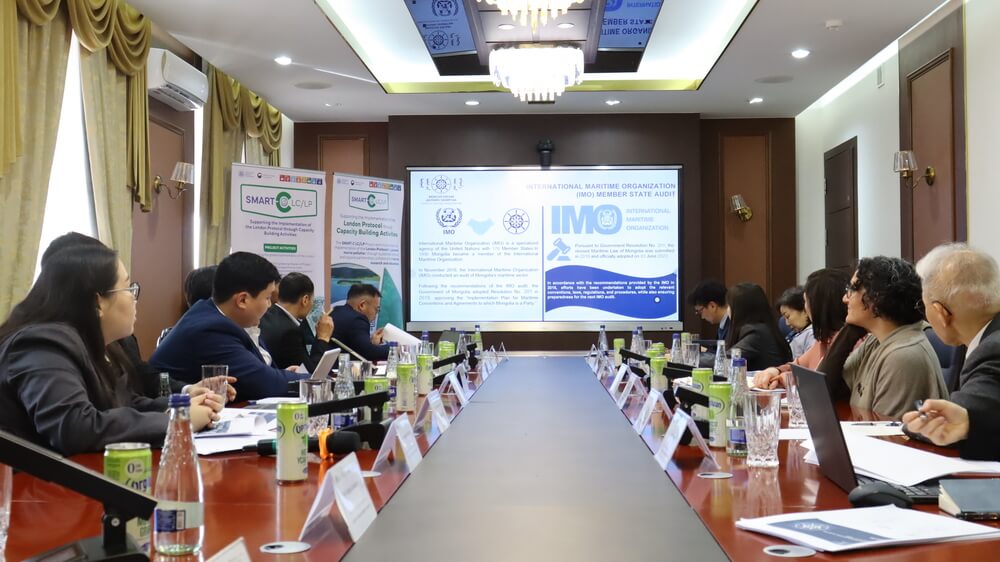
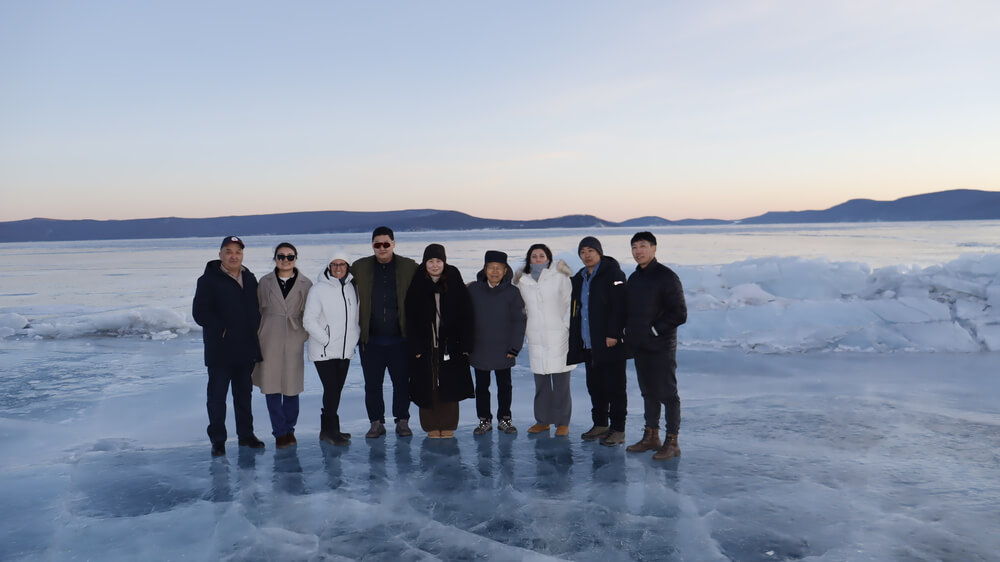
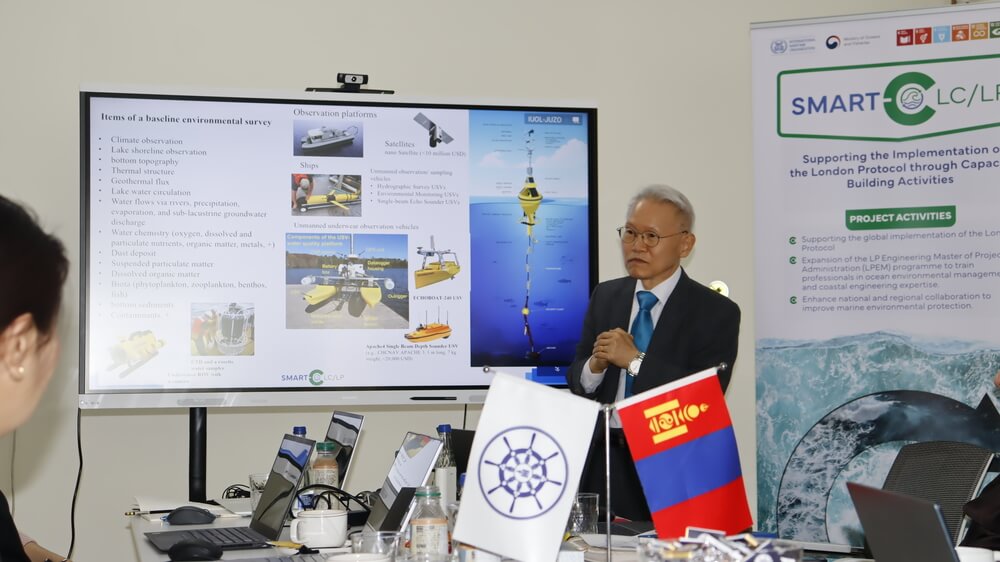
The workshop opened in Ulaanbaatar with introductory meetings, an official opening ceremony and presentations on Mongolia’s maritime sector, the project’s objectives and the relevance of the London Protocol. On the second day, participants received further training on the Protocol and heard presentations from consultants and the Mongolian Institute of Geography and Geoecology on current research, capacity gaps and environmental conditions around the lake. Days three to five involved a field trip to Khuvsgul Lake, where participants observed the operating environment directly, including patrol facilities, vessels, ice-road conditions, possible infrastructure sites and environmental pressures linked to tourism, waste management and sunken vehicles. On the final day, participants took part in an interactive prioritization exercise that produced an agreed list of environmental challenges in Khuvsgul Lake, and helped shape a draft project roadmap.
The workshop concluded with clear next steps. The agreed priorities will now guide project delivery, while the IMO and consultants develop options that can be implemented within available time and budget. Scientific and technical training should be delivered before the peak boating season this summer, and the MMA is expected to confirm its preferred training topics and timeline for legal support. Recommendations include advancing the design of a baseline field study for Khuvsgul Lake, exploring partnerships with scientific institutions, carefully assessing equipment and platform needs, and maintaining close coordination among stakeholders. A follow-up technical training workshop is planned for May 2026 to review progress, refine priorities and support the next phase of implementation.